
Personalized Interpretations
Rooted in Tradition
Multi-Context Meanings
Adaptable Framework
Cultural Perspectives




Angel numbers and mirror hours are concepts that come up regularly in contemporary spiritual and cultural conversations, especially in digital and online spaces. Both terms describe repeated numerical patterns that people notice during everyday moments—on clocks, screens, receipts, or in other routine settings.
In modern interpretations, these numbers aren’t treated as objective signals or measurable events. Instead, they’re typically described as symbolic elements that some people use as reflective tools during moments of heightened attention, questioning, or personal transition. Exploring these ideas means looking at their symbolic function, cultural origins, and the ways they’re commonly understood today.
Within modern spiritual belief systems, angel numbers and mirror hours are frequently linked to contemporary numerology and non-institutional spiritual movements. These approaches draw on symbolic frameworks where numbers connect to themes, ideas, or narratives rather than empirical facts.
These interpretations often reflect influences from New Age spirituality, personal development culture, and online communities. They’re constructed around symbolic systems meant to offer meaning or perspective, not scientific explanation. These readings don’t seek empirical validation and are generally recognized as subjective, culturally influenced interpretations.
Repeating numbers are often interpreted as invitations to pause and reflect on current life patterns, emotions, or decisions within a personal symbolic framework.
Each number sequence is commonly associated with specific themes—such as balance, change, or alignment—based on numerological traditions and contemporary spiritual content.
The significance of angel numbers and mirror hours is ultimately determined by individual perspective, cultural context, and personal belief systems rather than universal definitions.

In modern spiritual belief systems, angel numbers and mirror hours are frequently linked to contemporary numerologyand non-institutional spiritual movements. These symbolic interpretations connect numbers to personal themes and narratives, offering subjective meaning rather than empirical facts.

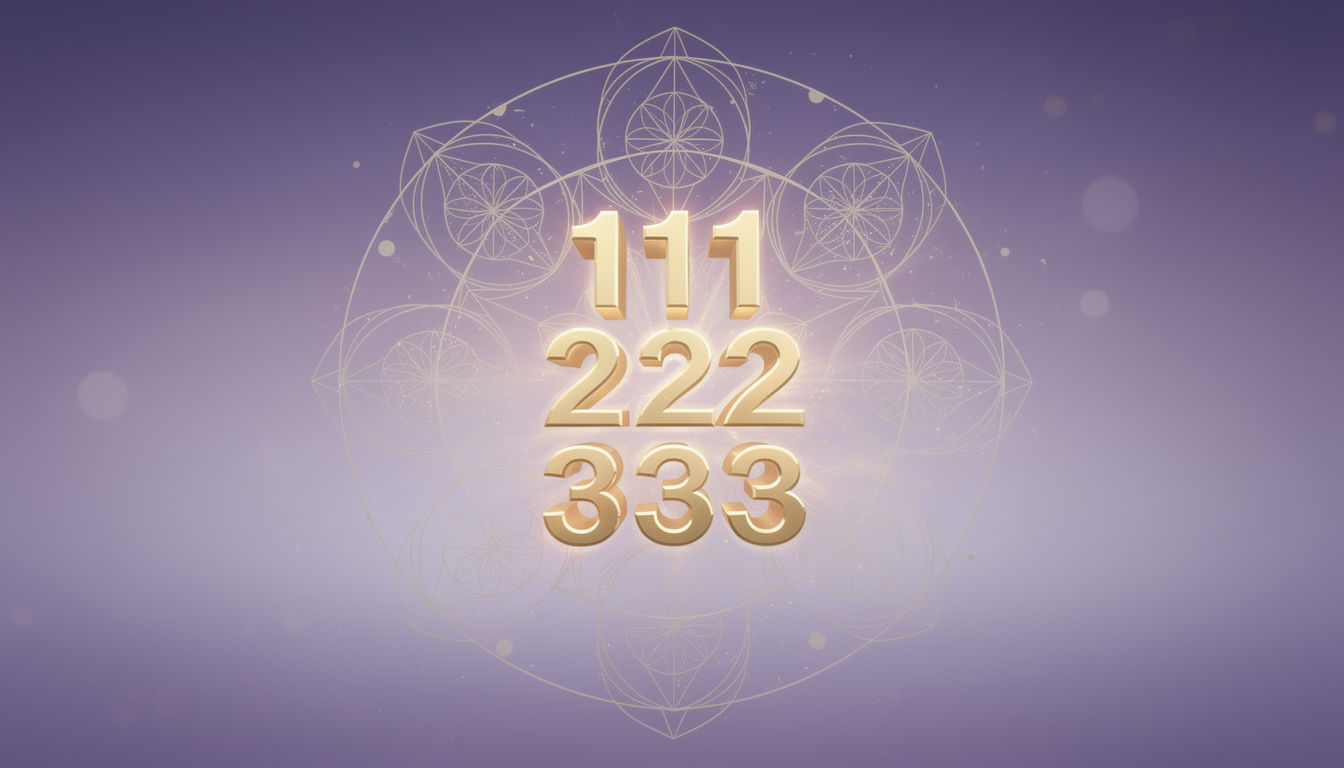
Angel numbers usually refer to recurring patterns like 111, 222, or 444 that appear throughout daily life. In spiritual literature, their significance comes from symbolic meanings assigned within certain belief systems rather than the numbers themselves. The focus remains on the experience of noticing these numerical patterns across different contexts.
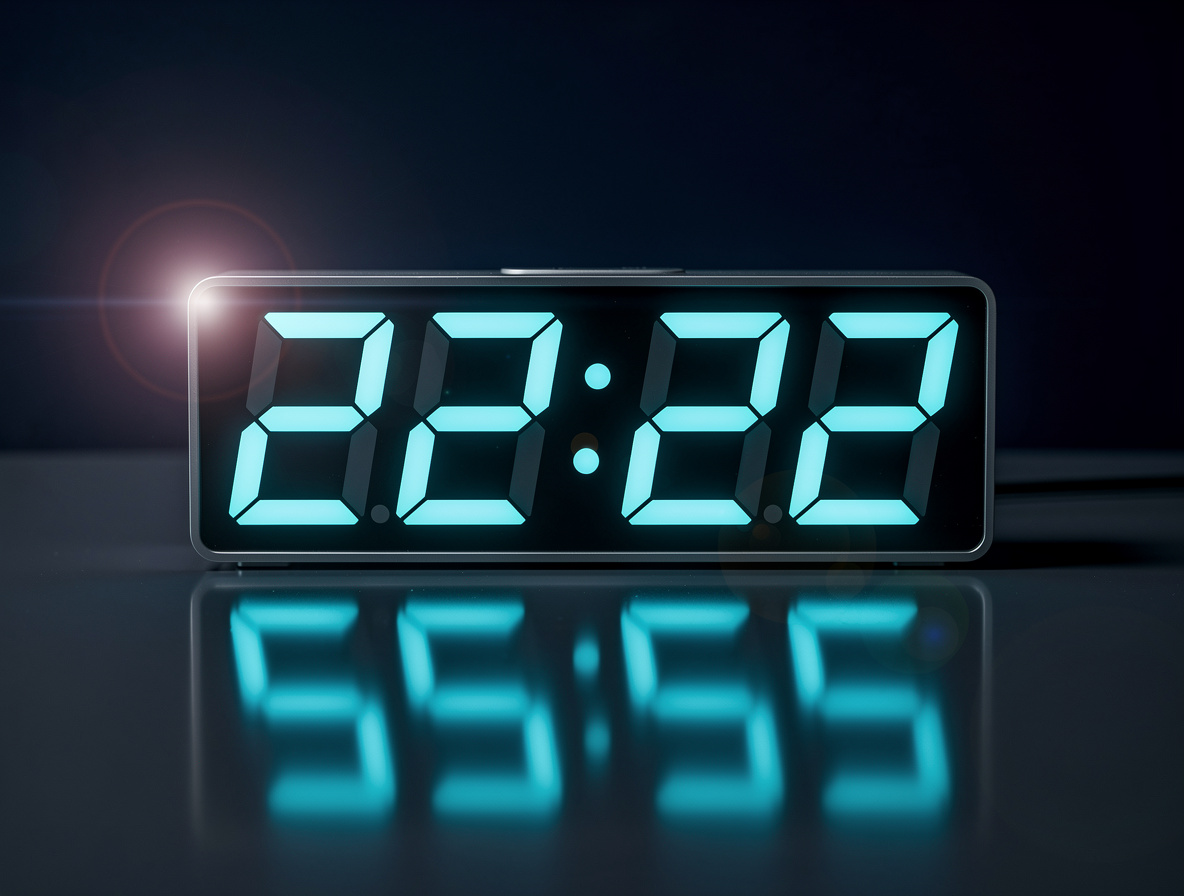
Mirror hours typically refer to symmetrical times on clocks—such as 11:11 or 22:22. Unlike angel numbers, they're tied directly to timekeeping. Their interpretation often centers on the moment of awareness itself, emphasizing attention and presence rather than just the numerical value displayed.
These two concepts are commonly grouped together because both rely on the perception of repetition and synchronicity. In modern narratives, repeatedly noticing particular numbers is often framed as a meaningful coincidence rather than something random.
Even with this association, angel numbers and mirror hours remain distinct. Angel numbers can show up across many different contexts, while mirror hours depend on a specific interaction with time, which can shape how they’re experienced and interpreted.
To better understand the symbolic landscape, it’s helpful to recognize the different types of repeating numbers commonly discussed in spiritual and numerological content:
Interpretations rooted in numerological traditions and contemporary spiritual content
This category includes sequences from 111 through 999, as well as extended patterns like 1111 or 1212. Each sequence is associated with different symbolic themes depending on the numerological framework being referenced.
These are symmetrical times on digital or analog clocks, such as 11:11, 12:12, or 22:22. Their interpretation often emphasizes the timing of awareness and the visual symmetry of the display.
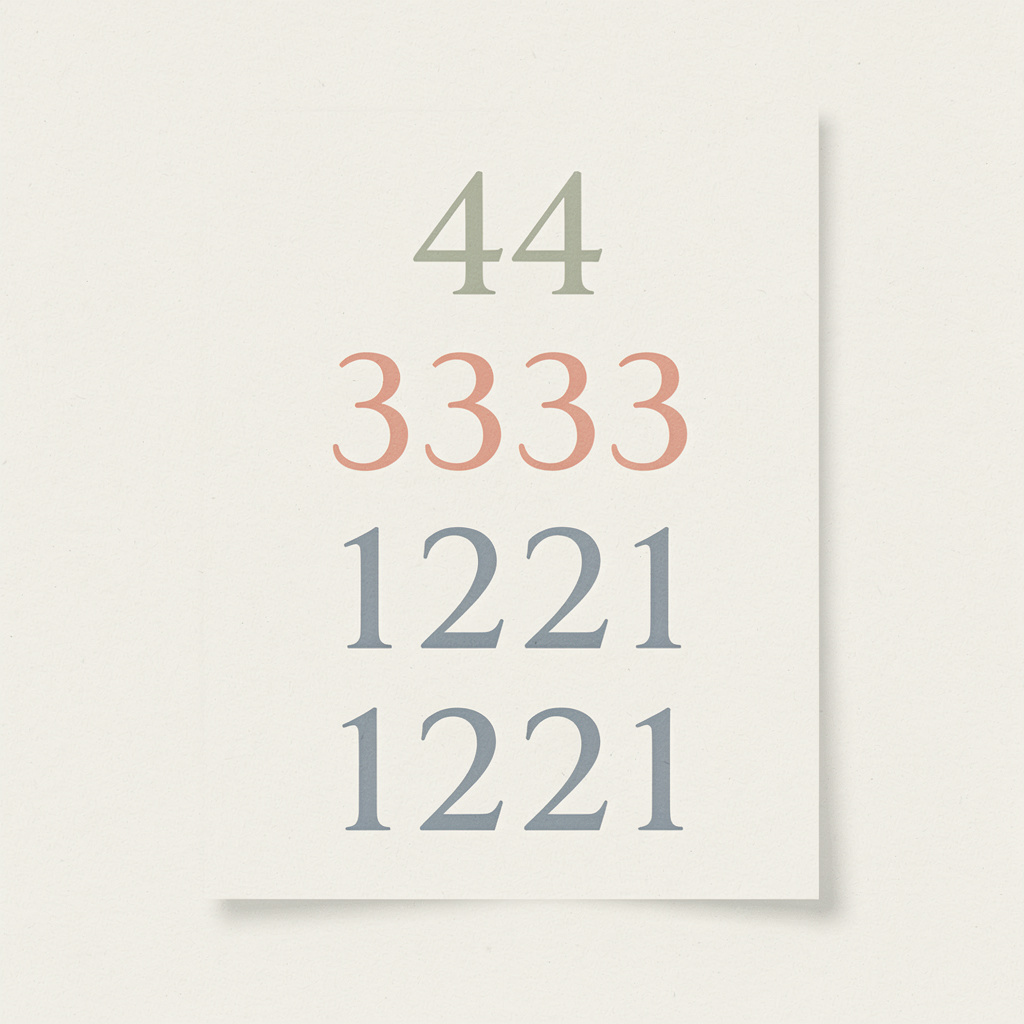
Some interpretations also distinguish between double numbers (like 44 or 55), triple numbers (such as 333 or 777), and inverted or reversed sequences (like 1221 or 2112). These distinctions add layers to how numerical patterns are symbolically categorized.
The symbolic interpretation of repeating numbers extends across multiple areas of contemporary life. While these numbers are understood differently depending on individual belief systems, certain contexts appear more frequently in spiritual and numerological discussions. Below are four primary domains where angel numbers and mirror hours are most commonly referenced.
In conversations about relationships, these numbers are often linked to emotional connections, communication, or relational patterns. They may be interpreted as symbolic reflections of relationship phases or moments of awareness rather than predictors of what will happen. Some people report noticing specific sequences during significant relationship moments, which they interpret as aligned with their emotional state or relational dynamics.

In professional settings, angel numbers and mirror hours are sometimes connected to periods of evaluation, uncertainty, or change. Their interpretation is typically framed as a way to reflect on direction or alignment, without suggesting guidance or prediction. People may associate certain number patterns with career transitions, decision-making processes, or moments of professional introspection within their personal symbolic framework.

This is perhaps the most frequently discussed context for interpreting repeating numbers. Angel numbers and mirror hours are commonly associated with spiritual awakening, self-awareness, intuition development, and personal evolution. Many modern spiritual frameworks position these numerical patterns as symbolic markers of inner transformation or heightened consciousness, reflecting an individual's journey toward greater self-understanding and spiritual exploration.

During transitions or times of self-questioning, repeated numbers are often seen as symbols tied to broader life narratives. They may be interpreted as markers of change or reflection within a symbolic framework. People experiencing major life shifts—such as relocations, identity exploration, or existential questioning—sometimes report increased awareness of numerical patterns, which they interpret as meaningful within their personal context of transformation.

While both concepts involve numerical patterns, the way people encounter and interpret them varies significantly. Angel numbers appear across multiple contexts, while mirror hours depend on a specific time-based interaction that shapes their symbolic meaning.
Angel numbers can show up on receipts, license plates, screens, or any numerical display. Mirror hours are tied exclusively to clock-based observations, creating a more structured encounter.
Mirror hours emphasize the moment of noticing the time itself. Angel numbers focus on repeated encounters across different situations and environments throughout the day.
Angel numbers may be noticed multiple times daily in varied forms. Mirror hours occur at fixed intervals (twice per day for symmetrical hours like 11:11 or 22:22).
Angel numbers highlight recurrence and pattern recognition. Mirror hours emphasize synchronicity and present-moment awareness tied to timekeeping.
Angel numbers are often linked to numerological themes and symbolic associations. Mirror hours connect more closely to time symbolism and the act of checking the clock.
Mirror hours depend on digital or analog displays showing time. Angel numbers exist independently of any specific medium or technological format.
Learn how different sequences are commonly interpreted
From a cultural standpoint, assigning meaning to repeated numbers and numerical patterns can foster a sense of coherence or narrative continuity in everyday life. These symbols—whether angel numbers or mirror hours—are often used as reflective tools that help individuals frame thoughts, emotions, or experiences during uncertain periods or moments of personal transition.
Within contemporary belief systems, the significance of these number sequences is subjective and rooted in personal interpretation rather than objective reality. Their importance exists in the meaning people assign to them, shaped by cultural context, spiritual frameworks, and individual perception—not in any external, measurable, or predictive effect.
However, it’s essential to recognize that interpretations of angel numbers and mirror hours are inherently symbolic. They rest on belief systems, cultural traditions, and personal experience rather than factual verification or empirical evidence. These interpretations do not establish causal relationships, predict future events, or describe measurable phenomena.
Understanding the distinction between symbolic meaning, cultural significance, and empirical evidence is crucial when engaging with these concepts in a balanced, informed way.
Angel numbers and mirror hours hold a specific place in contemporary spiritual and cultural discourse. They function as symbolic elements that some people use to reflect on experiences, moments of attention, or periods of transition.
These interpretations are widely documented across modern spiritual content, online platforms, and contemporary belief systems, where repeating numbers and numerical patterns continue to be explored through symbolic and reflective frameworks.
When approached with context and nuance, these concepts can be understood as interpretative tools rooted in modern belief systems rather than factual explanations of reality.

Daniel Hartwell is an independent researcher specializing in symbolic numerology, angel numbers, mirror hours, and recurring numerical patterns, approached from a cultural, historical, and interpretative perspective.
For several years, he has studied how repeated numbers and numerical sequences are interpreted across modern spiritual movements, popular culture, and Western symbolic traditions, without presenting them as factual or predictive systems.
The objective is to help readers understand how meaning is commonly attributed to these phenomena, not to assert absolute truths or personal beliefs.
All content on this website is provided for informational and cultural purposes only. Numerological and spiritual interpretations discussed here do not replace medical, psychological, legal, or professional advice of any kind.
All meanings should be understood as symbolic, subjective, and open to personal interpretation, leaving readers complete freedom in how they choose to reflect on them.

Our content explores number signs and synchronicities through educational, symbolic, and psychological lenses, without making medical, religious, or professional claims.
6391 Elgin St. Celina, Delaware 10299